Vacancy Protection Checklist: Locks, Utilities, Signage, Neighbor Contact

Stephanie Merritt
Nov 18, 2026

Key Takeaways
- Security: Reset access between tenants and record everyone who enters the property.
- Prevention: Working utilities, regular inspections and exterior upkeep help catch problems while a rental is empty.
- Documentation: Confirm insurance terms and local requirements, and keep dated records of visits and repairs.
Every owner hopes the time between tenants is short, but even a few weeks can expose a home to problems. A small leak can run for days, a broken lock can go unnoticed and an uncut lawn can signal that no one is watching.
At Streamline Property Management, our leasing and maintenance work supports owners in Washington, D.C., Maryland and Northern Virginia. This checklist covers the practical steps that help protect a rental between occupants.
Need help understanding your property management options?
See What We Offer
Start by Understanding Your Insurance
Review your policy and confirm its vacancy terms with your insurance agent. Coverage can change when a home is vacant, and the policy may require inspections or other precautions.
- How does the policy define vacant and unoccupied?
- When could coverage change, and which losses are affected?
- Must the insurer be notified, and are inspections or utilities required?
Ask whether active rental marketing changes the policy's treatment of the home. Save the answers with your property records and revisit them at renewal.
Locks and Security
Once the tenant has moved out and returned possession, assume old keys and access codes may still exist.
- Change or rekey locks, reset keypad and alarm codes, and remove old smart-lock access.
- Test door and window locks, check screens and sliding doors, and secure garages, basements and sheds.
- Collect keys, fobs, garage openers, mailbox keys and parking passes.
- Limit lockbox or electronic access and record who enters and when.
- Maintain exterior lighting on a timer or sensor.
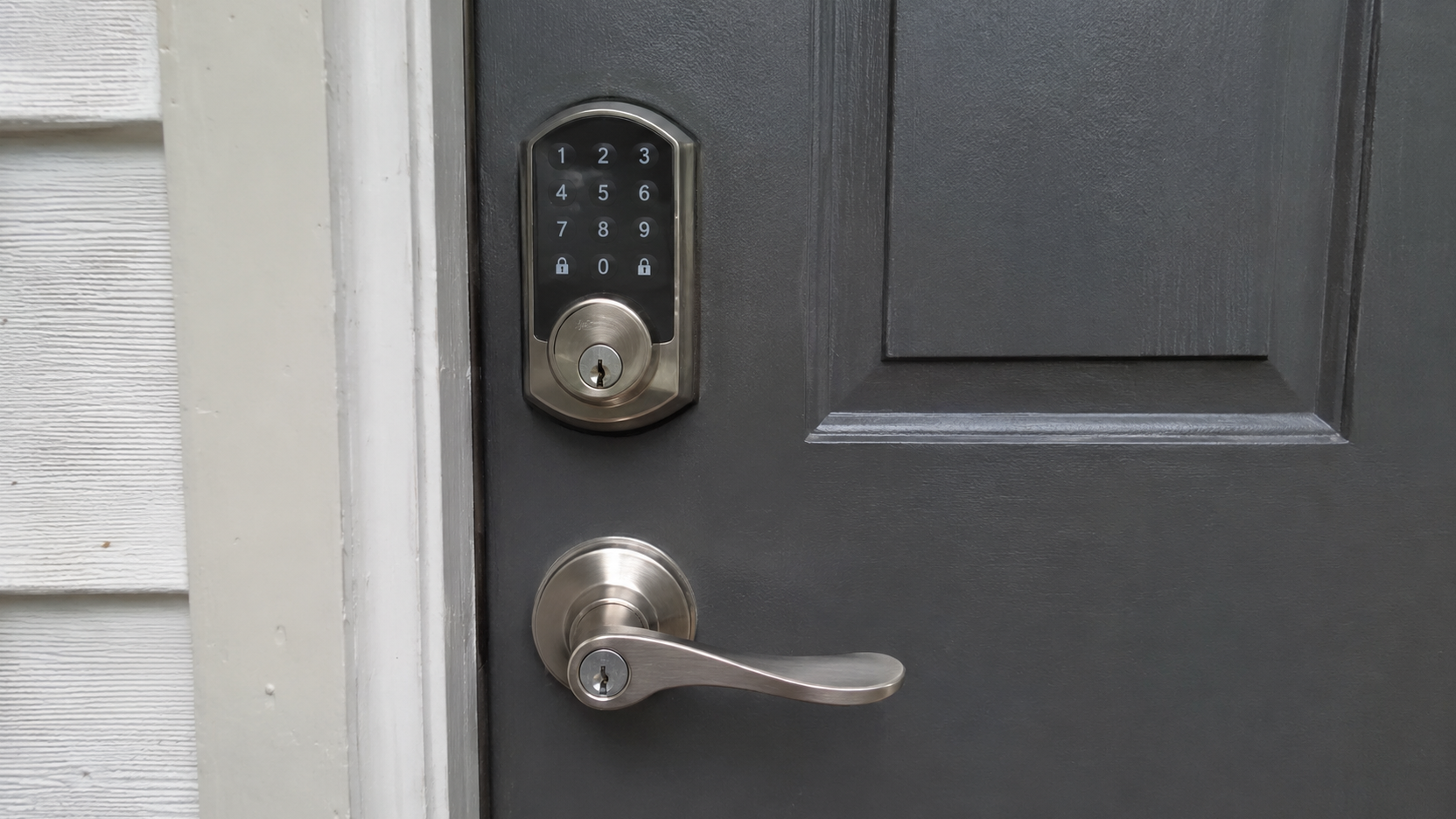
Confirm vendor appointments in writing and limit overlapping visits. After work, walk through the home, secure every entry and update the access log. Keep a log of access for vendors, cleaners, agents and showing visitors, and limit entry to people who need it.
Utilities
Turning everything off can create problems. Electricity supports lighting, alarms and sump pumps, while heat helps protect plumbing in cold weather.
- Transfer accounts to the owner or manager so service continues.
- Maintain heat during cold weather and manage cooling or ventilation during humid weather.
- Keep water available for cleaning and showings, and locate the main shutoff.
- Check toilets, faucets and appliances for leaks at every visit.
- Test smoke and carbon monoxide alarms, replacing batteries where applicable.
For an extended shutdown, have a licensed plumber plan water shutoff and any necessary draining. Do not guess when freezing is a risk.
Have questions about Maryland rental property management?
Read Owner FAQs
Signage and Marketing
A rental sign attracts attention, but a worn sign can suggest a long vacancy. Check local and association restrictions before placement. Keep signs clean, current and straight, and remove them once the home is leased.
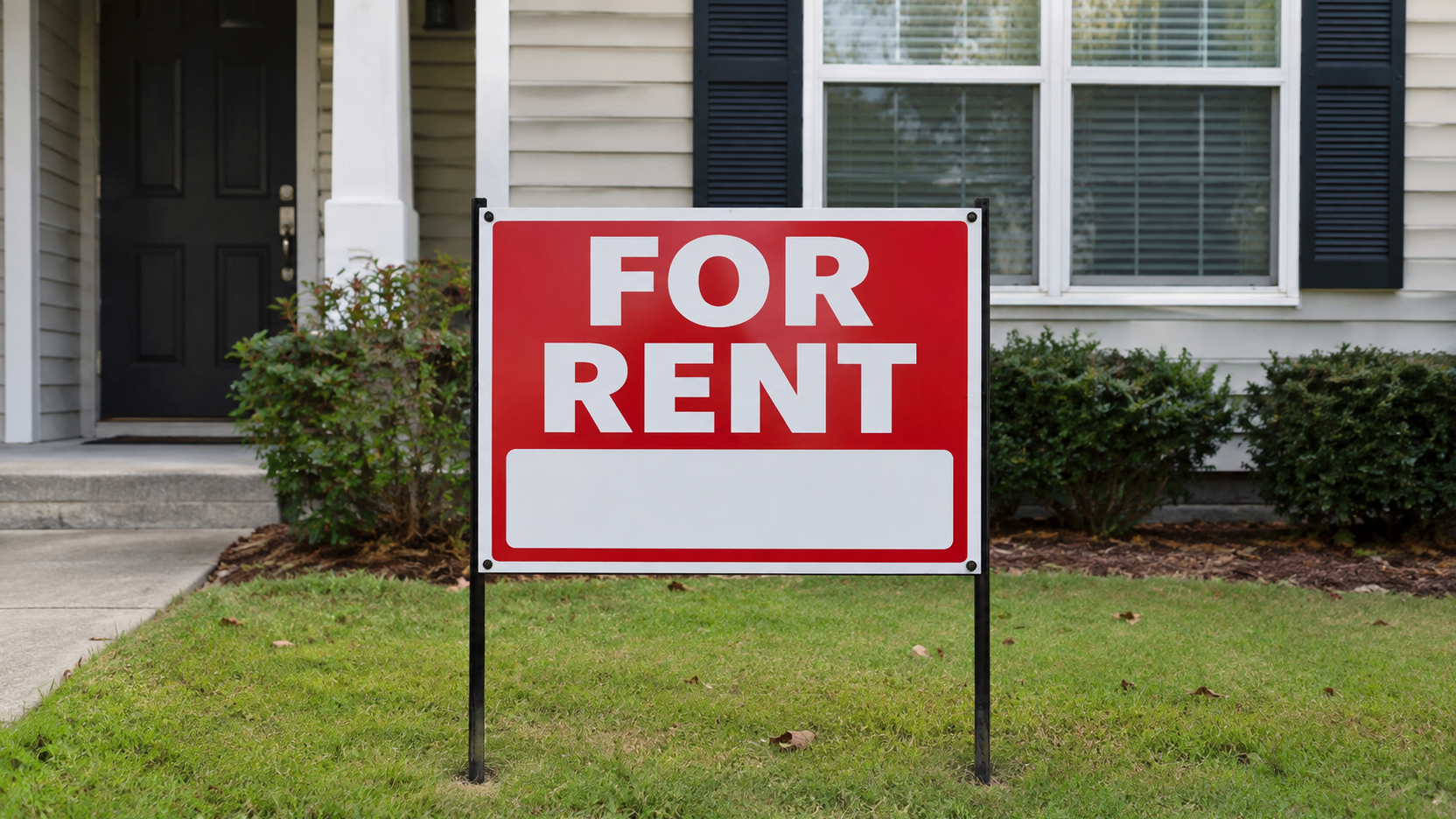
Avoid announcing that the owner is away. Current photos, accurate descriptions and prompt replies strengthen rental marketing and help reduce time between tenants.
Exterior and Curb Appeal
Mow lawns, trim shrubs, clear leaves and remove snow and ice. Collect mail, flyers and packages, remove trash and check for pests. Clear gutters and downspouts so water flows away from the foundation. A maintained exterior shows that someone is paying attention and keeps the home ready for visits.
Neighbor Contact
Introduce yourself or your manager and share a contact number so neighbors can report problems quickly. Keep access codes and unattended schedules private. Listen to concerns about the property and explain who handles them. Neighbors provide an extra set of eyes alongside scheduled visits.
Inspections and Record Keeping
Set a regular inspection schedule, with extra checks during extreme weather or after storms. Walk through the entire property each time.
- Look for entry damage, tampering, pests, leaks, stains, dampness and unusual odors.
- Check thermostat settings, heating or cooling, detectors, doors, windows, gutters and visible roof condition.
- Review exterior upkeep, mail and packages.
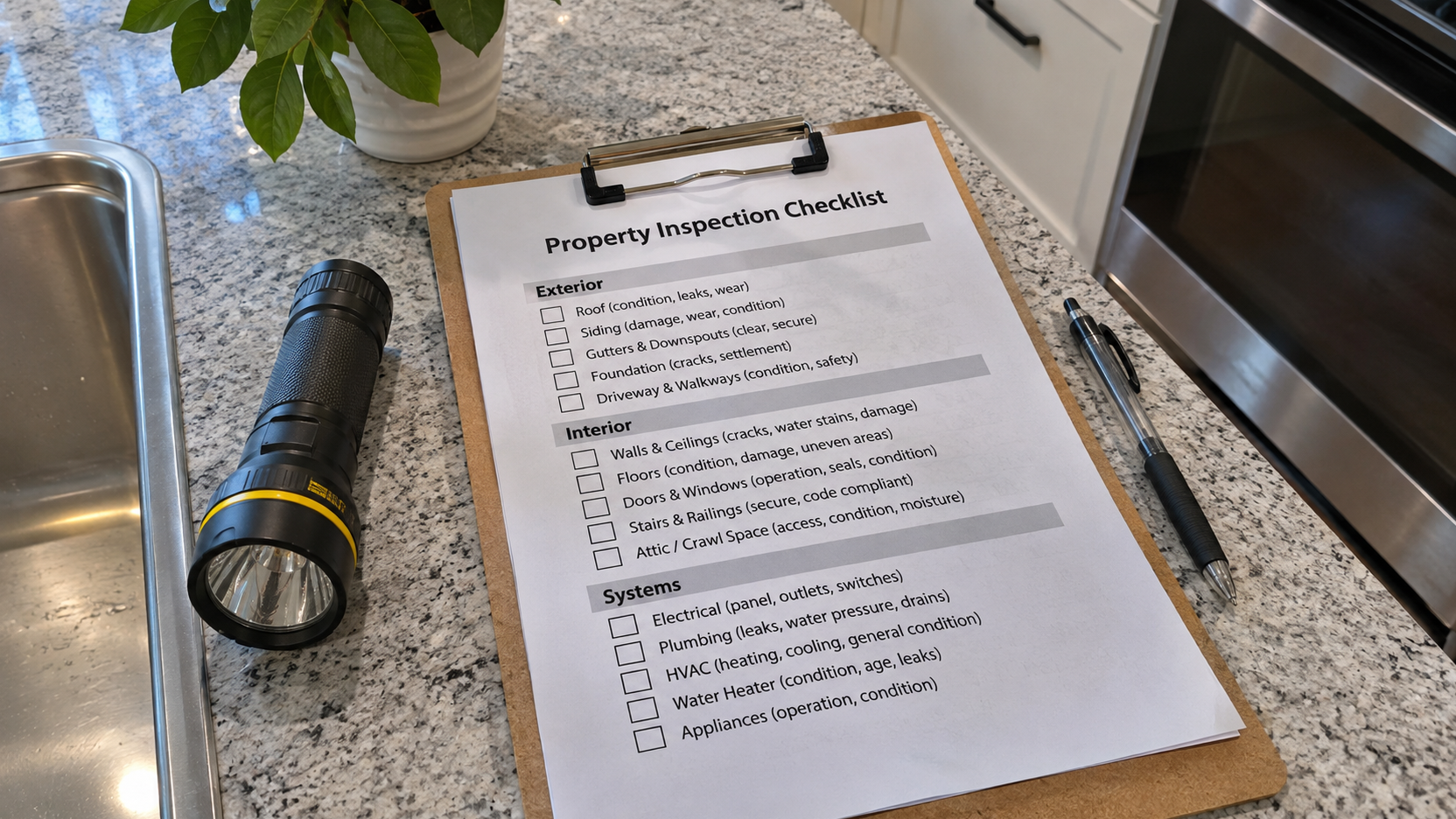
Record the date, visitor, checks completed and follow-up work. Photograph unusual conditions and keep the log with invoices and repair records. The log links inspection findings to completed repairs and later visits.
Prepare the Turn While the Home Is Empty
Use the vacancy to repair, clean, repaint and update the home. Coordinate turnover maintenance so completed work is ready before showings. Document the condition with dated photos for the next tenancy. Organized preparation reduces avoidable delays and gives owners a clear record of the home before occupancy.
Know Local Requirements
Washington, D.C., publishes vacant-building rules covering registration and maintenance standards. Requirements differ across Maryland and Northern Virginia localities, so check the authority responsible for your property's address. Verify current requirements through official sources and consult a qualified attorney for legal questions.
Bottom Line
Protecting a vacant rental takes consistent habits: confirm insurance, secure access, manage utilities, maintain the exterior and document visits. Streamline Property Management combines leasing, maintenance and reporting to support owners throughout the rental cycle. Clear schedules and records keep vacancy tasks from being overlooked.
Want a trusted partner to help manage the eviction process and your rental property from start to finish?
Contact Us
Frequently Asked Questions About Vacancy Protection
A vacancy plan should match the home, season and access needs. These details help owners organize the work between tenants.
How Often Should I Inspect a Vacant Rental?
A weekly visit can be a practical starting point, with extra checks during severe weather or after storms. Confirm the schedule against your insurance terms and the property's condition. Assign each visit to a named person so responsibility is clear.
Walk through all rooms and check entry points, plumbing, thermostat settings and the exterior. Record what was checked, photograph unusual conditions and give each repair a follow-up date. The log should show both the problem and when it was resolved.
Should I Turn Off the Utilities When the Home Is Empty?
Not automatically. Electricity may support alarms, lighting and sump pumps, while heat helps protect pipes during cold weather. Water may be needed for cleaning and showings. Before changing service, review the planned work, insurance terms and weather conditions with the people overseeing the home.
A licensed plumber can advise on shutting off and draining plumbing for an extended vacancy. Transfer accounts before the outgoing tenant closes them, then confirm service is active rather than assuming the transfer went through. Test smoke alarms after confirming power is active, following the manufacturer's instructions.
Do I Need to Change the Locks Between Tenants?
Rekeying after possession is returned is a practical way to control old keys. Returned keys do not reveal whether someone kept an extra copy. Also remove old smart-lock codes, reset keypad and alarm access, and account for garage remotes, fobs and mailbox keys.
Check applicable local requirements and lease terms as part of the turnover. Keep a list of everyone with access during cleaning, repairs and showings. Confirm that each person secures the home after leaving, and update temporary access arrangements when their work ends.
Can a Property Manager Handle Vacancy Checks?
A property manager can coordinate inspections, vendors and condition records during vacancy. At Streamline Property Management, our services include leasing, maintenance, tenant care, rent collection and reporting. Confirm how vacancy visits fit the management arrangement, who performs them and where the records are stored.
Agree on who responds to a neighbor's report and who checks the home after vendor work. A documented condition review before handing over keys helps connect the vacancy record with the start of the next tenancy.
What Legal Issues Should I Check for a Vacant Property?
Start with the local authority's vacant-property guidance, then review applicable registration, maintenance and inspection rules. Check sign restrictions and relevant lease obligations as well. Requirements can depend on the property's location and circumstances, so confirm how the rules apply to that home.
Keep official notices and compliance records in the property file, alongside the separate insurance terms. Verify current requirements through government sources and consult a qualified attorney for legal advice. Save the source and date checked with the property records for the next review.
Need help understanding your property management options?
See What We Offer


