How Much Can I Rent My House For in Bethesda

Streamline Property Management

Key Takeaways
- Comparable homes: Gather five to eight nearby rentals matching your home's size, condition, and location.
- Measured adjustments: Compare garages, updates, outdoor space, and other features before choosing a price range.
- Market support: Your expenses determine feasibility, while comparable rentals guide the asking rent.
- Early feedback: Track inquiries, showings, and applications, then reassess within two weeks if interest is weak.
Bethesda rents can differ between neighborhoods, school boundaries, and even blocks. Guessing can cost an owner thousands through vacancy or underpricing. Streamline Property Management helps owners compare their home with local rentals, adjust for meaningful differences, and test the price once listed.
Not sure if renting is the right move?
Get Expert Advice
Why Bethesda Pricing Takes Care
Access to downtown Bethesda, NIH, Walter Reed, the Metro Red Line, and the Capital Crescent Trail helps distinguish locations. Compare the actual surroundings and property condition. A nearby rental with different transit access or amenities may need an adjustment before its asking rent becomes a useful benchmark.
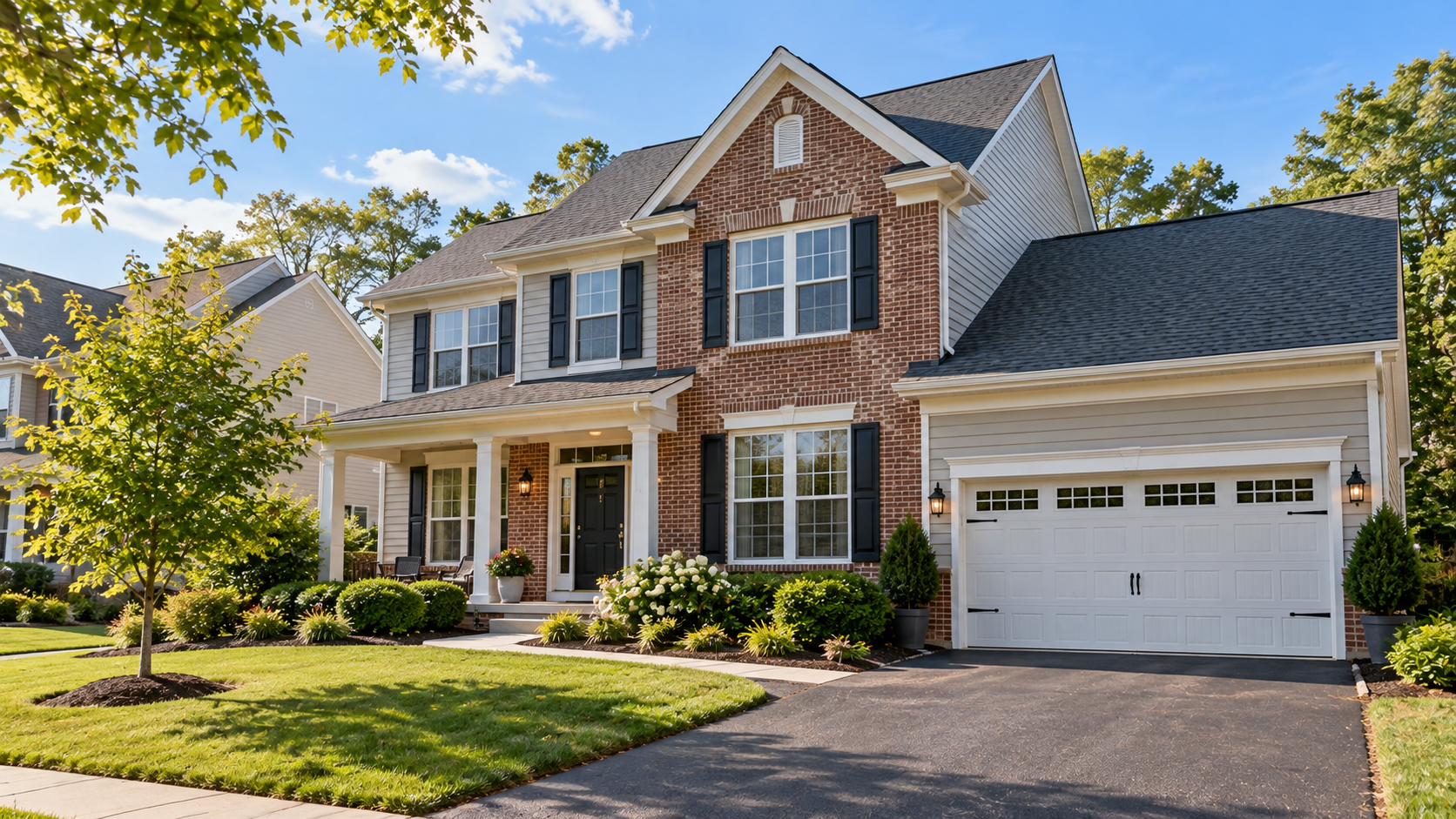
Step 1: Define Your Home Precisely
A clear feature inventory makes preparing your Bethesda home for rent and comparing listings more precise:
- Bedrooms, bathrooms, square footage, and layout.
- Kitchen, bathroom, flooring, and paint condition.
- Garage or off-street parking, yard, patio, and deck.
- In-unit laundry, heating and cooling, and pet policy.
- Distance to transit, schools, downtown, and major employers.
Step 2: Find True Comparables
A comparable, or comp, is a similar nearby home currently listed or recently rented. Gather five to eight, preferably within a mile or two and the same school boundary. Match bedrooms, bathrooms, size, condition, and location.
Record asking rent and listing age. Investigate long-running listings; removal alone does not establish the achieved rent. Set aside luxury renovations or neglected homes that distort your comparison.
Step 3: Adjust for Differences
If a comp has a garage and yours has street parking, adjust downward. If yours has an updated kitchen, adjust upward against a dated comparison. Keep adjustments modest and grounded in comparable differences. Calculate the adjusted average and range to establish a target, ceiling, and floor.
Step 4: Consider Location Within Bethesda
Compare Metro access, downtown restaurants and shops, school boundaries, and routes to NIH, Walter Reed, and D.C. Include trails, parks, and the street setting. Verify the details for each address.
Step 5: Account for Seasonality
Compare listing activity and leasing times for your intended move-in period. If your timing is flexible, weigh late spring or summer availability against current competing listings. For winter marketing, use bright, inviting photos and competitive pricing. Consider how the lease end date affects your next turnover.
Step 6: Test Against Your Costs
Compare market rent with your rental expenses: mortgage payments, property taxes, insurance, HOA fees, maintenance, vacancy, and management charges.

Organized income and expense records make the comparison useful. If the figures fall short, accept a smaller return, improve the home, or reconsider renting. Price to market support rather than your required income.
Not sure if renting is the right move?
Get Expert Advice
A Worked Example
Suppose a four-bedroom, three-bath Bethesda home has a garage, finished basement, updated kitchen, and fresh paint. In this hypothetical example, six comps range from $5,200 to $6,400. Two have dated kitchens; the $6,400 listing has remained available for 50 days.
With the home a short drive from Metro, you test $5,950 in the upper middle of the range. Track inquiries and applications, then reassess within two weeks if interest is low.
The Cost of Getting It Wrong
One extra month vacant at $5,950 costs $5,950, overwhelming a $100 monthly premium worth $1,200 annually. Underpricing by $150 costs $1,800 annually. Include vacancy and turnover costs when deciding how long to hold a higher asking rent.
Keep a comp log with addresses, prices, features, and listing duration. Decide deliberately whether your priority is a higher asking rent or shorter vacancy.
Ways to Raise Your Achievable Rent
- Deep clean, repaint neutrally, and repair worn flooring.
- Refresh lighting, hardware, faucets, kitchens, and bathrooms where worthwhile.
- Improve landscaping and the front entrance.
- Consider feasible in-unit laundry and a sensible pet policy.
- Use professional photos and clear listing copy.
When to Adjust Your Price
Treat the first price as a test. Inquiries without applications can indicate a price, presentation, or property mismatch. Many immediate applications may suggest room to review pricing.
After two quiet weeks, consider a modest reduction. At renewal, review current comps and the tenancy; replacing a resident adds vacancy, cleaning, marketing, and leasing work.
Know the Rules
Maryland and Montgomery County rules address licensing, inspections, lead paint, deposits, lease provisions, and rent notices. Check whether rent stabilization applies before setting an increase. Verify current requirements with the county or a qualified professional before listing or changing rent.
How a Local Manager Helps
A local manager sees which homes lease and which sit. Streamline has served DMV owners since 2007, including Bethesda, Chevy Chase, Potomac, Silver Spring, Rockville, Gaithersburg, Arlington, and Alexandria.
Its white-glove approach combines one contact, transparent rates with no hidden fees, and a reported 99%+ on-time rent payment rate. The property-management-only business avoids sales conflicts. Its free consultation helps owners assess what their home can earn.
Pricing Checklist
- Define features, gather five to eight comps, and adjust the range.
- Check location, season, expenses, and applicable rules.
- Track response and reassess within two weeks when needed.
Bottom Line
A defensible rent combines local comparisons with real listing feedback. Streamline Property Management brings local pricing experience and consistent oversight to that process.
Not sure if renting is the right move?
Get Expert Advice
Frequently Asked Questions About Pricing a Bethesda Rental
Comparable data is most useful when you understand its limits. These decisions help translate a price range into a workable listing.
What If I Cannot Find Five to Eight Close Comparables?
Widen the search gradually while keeping the closest matches separate. Start with similar bedrooms, bathrooms, size, and condition, then compare the location differences explicitly. A larger collection of weak matches can obscure the price more than a smaller set of useful ones.
Record why each home belongs in the comparison and flag features requiring adjustments. Continue tracking new listings as they appear, and use the resulting range to test your price rather than forcing a precise average.
Can I Use Asking Rents Instead of Completed Leases?
Asking rents show what owners are requesting and what prospective tenants can compare today. They do not establish the amount eventually agreed in a lease. Keep active asking prices separate from confirmed leased figures whenever both are available.
Note listing duration and any visible reductions, then investigate unusual results before relying on them. A listing disappearing might reflect a lease, withdrawal, or another change. Use your own inquiry and application activity to test the range you develop.
Should I Renovate Before Listing?
Use comparable homes to identify improvements that distinguish the stronger listings, then price the work before committing. Cleaning, paint, flooring repairs, and updated lighting may address presentation problems without a major remodel.
Compare the proposed spending with the additional rent you expect and the time the home would remain unavailable. Routine property maintenance also deserves attention before cosmetic upgrades. A finished, well-presented home gives applicants a clearer basis for judging the asking rent and reduces distracting unresolved issues.
How Should I Compare Listings With Different Included Features?
Record what each asking rent actually includes before treating two prices as equivalent. A garage, in-unit laundry, finished basement, outdoor space, or different pet policy changes the comparison. Note any stated utility inclusions alongside the physical features, and avoid counting the same advantage twice.
Use several similar listings to judge whether a feature appears to support an adjustment. Keep the adjustment modest when the evidence is weak, and test the result against actual responses to your listing.
How Can I Tell Whether Price or Presentation Is the Problem?
Track where interest stops: listing views, inquiries, showings, or applications. Check whether photos are bright and accurate, the description explains the main features, and showing arrangements are practical.
Compare the home again with listings at the same price, paying attention to condition and included features. Record repeated questions or objections from showings. Improve an obvious presentation problem promptly; if interest remains weak after roughly two weeks, revisit the asking rent using the latest comparable evidence available.
Not sure if renting is the right move?
Get Expert Advice


