Rental KPIs That Matter: How Investors Track Performance

Stephanie Merritt
Nov 18, 2026

Key Takeaways
- Performance: Vacancy, turnover, maintenance, collections and net operating income reveal more than rent alone.
- Consistency: Use the same definitions every month and compare results against your property's history.
- Reporting: Clear monthly records help owners and managers explain changes and plan repairs.
Most owners can tell you what rent a property earns. Fewer know how long it sat empty or how much maintenance cost per unit. Key performance indicators, usually called KPIs, turn a general feeling about a property into facts you can act on.
At Streamline Property Management, we help owners manage rentals in Washington, D.C., Maryland and Northern Virginia. These measures connect day-to-day operations with the income your property produces.
Need help understanding your property management options?
See What We Offer
Why KPIs Beat Gut Feeling
A steady rent deposit can hide rising vacancy, frequent repairs and slower payments. KPIs make these shifts visible and give you a factual basis for conversations with your property manager. Pick a handful of measures, define them clearly and keep the records. Consistency matters more than sophistication.
Vacancy Metrics
Vacancy reduces income, and several measures explain where those losses begin.
- Vacancy rate: Vacant days divided by total days in the period, multiplied by 100.
- Days on market: Days between listing the home and signing a lease.
- Lost rent: Vacant days multiplied by daily rent.
- Showing-to-application ratio: Showings divided by applications received.

If days on market rise, review asking rent, listing photos, property condition and response speed. Those details help explain whether rental marketing needs adjustment.
Turnover and Make-Ready Metrics
The turn runs from move-out until the home is ready for its next tenant. Delays add vacant days.
- Turn time: Days from move-out to rent-ready condition.
- Turn cost: Cleaning, paint, repairs and supplies for each turnover.
- Tenant retention rate: Renewals divided by leases eligible for renewal.
- Average length of stay: Total tenancy months divided by tenancies measured.
Every avoided turnover saves cleaning, marketing and leasing effort. A renewal at a fair rent can be worth more than a higher rent after a lengthy vacancy.
Have questions about Maryland rental property management?
Read Owner FAQs
Maintenance Metrics
Maintenance is the line item owners most often underestimate. Track maintenance costs by individual property and category so you can see where money goes.
- Maintenance cost per unit: Annual repair spending divided by unit count.
- Maintenance as a share of rent: Annual repairs divided by annual rent collected.
- Work order timing: Track the initial response and completed repair separately.
- Repeat repairs: Recurring issues that may signal an incomplete fix.
- Preventive versus emergency spending: Compare planned work with urgent calls.
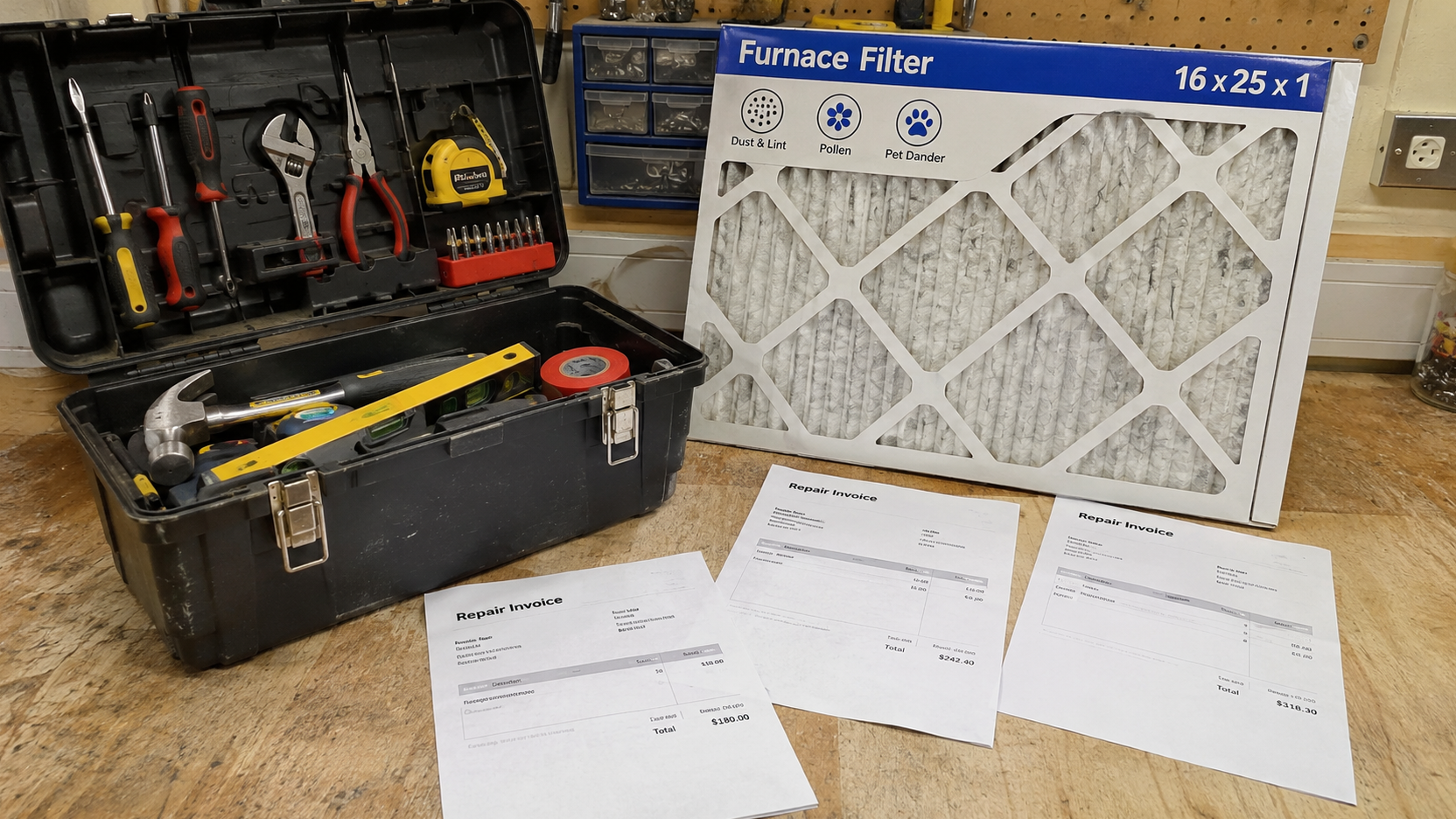
Rising emergency costs deserve investigation. Scheduled heating and cooling maintenance can help prevent expensive problems; review filters, gutters, roofs and water heaters alongside repair history.
Collections and Income Metrics
Rent only helps when it is paid. These figures show how reliable the income is.
- Rent collected on time: Rent received by its due date divided by rent due.
- Delinquency rate: Unpaid rent divided by rent due.
- Gross potential rent: Rental income at full occupancy and stated market rents.
- Effective gross income: Potential rent, less vacancy and collection losses, plus other property income.
Review vacancy costs, concessions and unpaid balances together to explain income shortfalls.
Return Metrics
Once income and expenses are clear, calculate the returns investors compare most often.
- Net operating income (NOI): Property income minus operating expenses, before mortgage payments.
- Cap rate: Annual NOI divided by property value or purchase price.
- Cash-on-cash return: Annual pretax cash flow after debt service divided by cash invested.
- Expense ratio: Operating expenses divided by effective gross income.
Operating expenses include management, maintenance, insurance and property taxes. Use consistent periods and expense categories, and multiply ratios by 100 when expressing percentages.
How to Build a Simple Tracking Routine
A spreadsheet with one row per property and one column per measure is enough. Update it monthly, save receipts and work orders, and compare each property with its prior year.
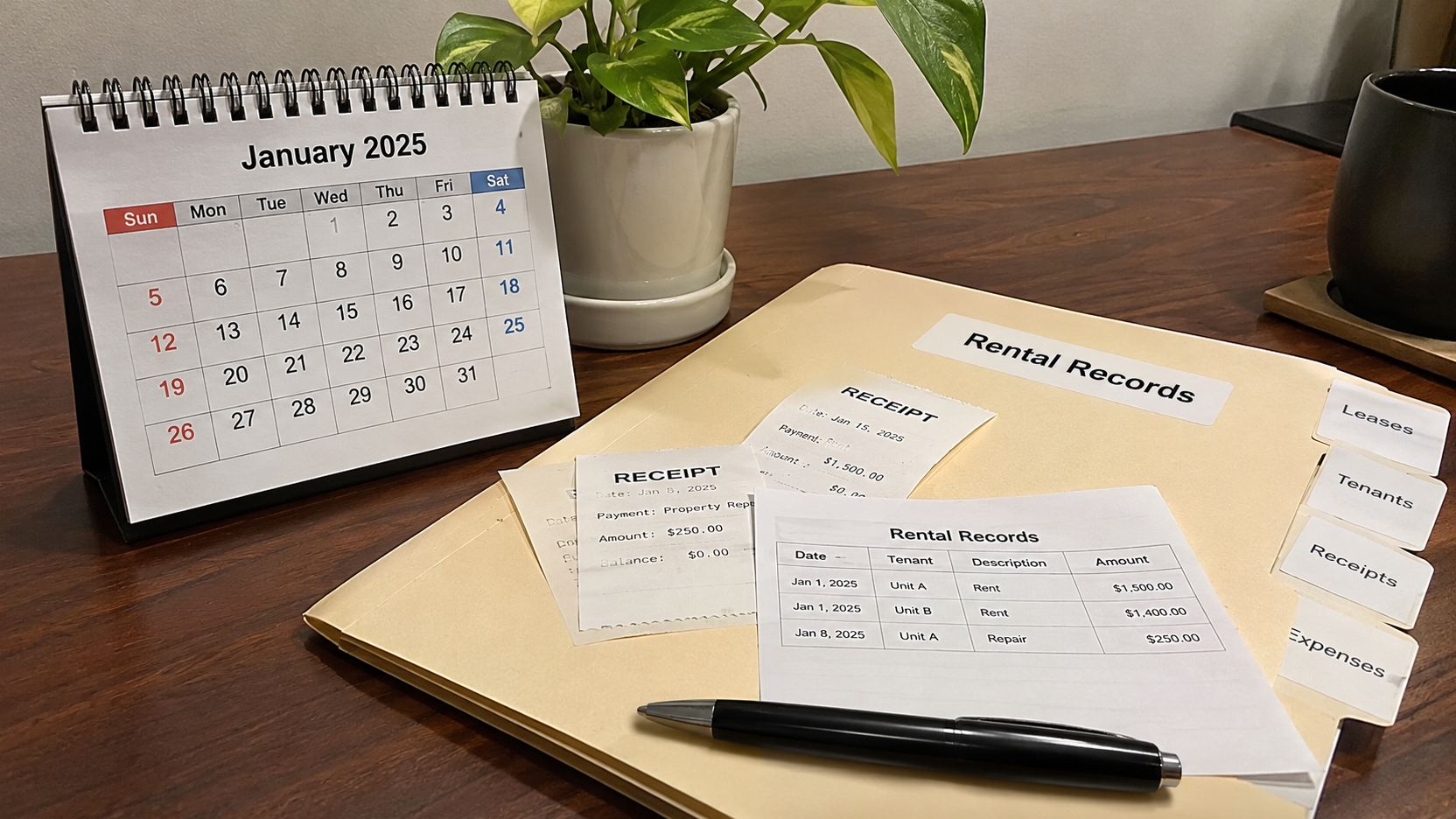
Flag sharp changes and review the full set quarterly. Check inputs first: a missed invoice or incorrectly dated payment can distort a month.
Using KPIs With a Property Manager
Useful reports show rent collected, outstanding balances, vacancy, maintenance spending and upcoming lease dates. Agree on delivery frequency, expense approvals and how repair requests are tracked. At Streamline Property Management, reporting supports our work in rent collection and maintenance coordination. Shared records let owners and managers explain a change and decide what to do next.
Common KPI Mistakes
Avoid comparing dissimilar properties, ignoring seasonality or treating one month as a trend. Separate capital improvements from routine repairs and track your own time. Chasing a higher rent while overlooking vacant days can obscure the actual result. A number is only a clue until you understand its cause. Maintenance records explain whether a cost increase came from planned work or repeated faults.
Bottom Line
Vacancy, turn time, maintenance, collections and NOI show how a rental performs. Track them consistently and use the results to guide pricing and repairs. Streamline Property Management brings reporting, rent collection and maintenance coordination together for owners across our service area.
Want a trusted partner to help manage the eviction process and your rental property from start to finish?
Contact Us
Frequently Asked Questions About Rental KPIs
The best tracking routine answers practical questions about income, spending and timing. These questions help turn the numbers into useful decisions.
Which KPI Should a New Investor Track First?
Start with vacancy and rent collected on time, because they show whether income is steady. Then add maintenance cost per unit and net operating income. For a single rental, note vacant dates, rent due, payments received and repair invoices before adding more measures.
For example, 15 vacant days in a 30-day month produce a 50% vacancy rate for that month. Keep the underlying dates so you can distinguish a planned turnover from a marketing delay. Add more measures only when you are comfortable keeping the first accurate.
How Often Should I Review My Rental Numbers?
Update the figures monthly and review them together each quarter. Monthly updates catch missing payments or unexpected repairs, while a quarterly review gives changes more context. Compare the same months across years where records allow, especially when leasing activity is seasonal.
Keep your definitions unchanged: measuring turn time to cleaning completion one month and final inspection the next makes the comparison misleading. If you change a definition, note when it changed and explain it beside the figures.
What Is a Good Maintenance Budget?
It depends on the home's age, size, condition and repair history. Start with prior invoices, then identify expected servicing and heating and cooling equipment approaching replacement. Separate recurring upkeep from larger improvements so one expensive project does not hide the routine spending pattern.
Review repeat work orders as well as total cost; several small visits for the same leak may deserve closer attention. Adjust the budget as the property's condition changes, and use your own records instead of assuming every home needs the same reserve.
Can a Property Manager Provide These Reports?
Yes. Property managers commonly provide owner statements, although the detail and schedule differ. At Streamline Property Management, reporting accompanies our rent collection and maintenance work. Clarify which figures appear in the statement and which require supporting records, such as work orders or lease dates.
A useful review explains why a balance remains unpaid, what a repair covered and which leases expire next. Keep agreed reporting arrangements in writing so the owner and manager work from the same expectations.
Should I Rely on KPIs for Tax Decisions?
No. KPIs help manage a rental, while tax reporting applies its own rules to income and expenses. Keep rental income and expense records, including invoices and receipts, so a tax professional can review the underlying transactions.
Repairs and improvements can receive different tax treatment, and a dashboard label alone does not settle that distinction. Verify current requirements with a qualified accountant before making decisions about depreciation, deductions or filings. Accurate monthly records make that review easier and reduce missing information.
Need help understanding your property management options?
See What We Offer


