Bethesda Landlord Checklist Before You Rent Your Home

Streamline Property Management

Key Takeaways
- Licensing: Obtain the Montgomery County rental license before advertising your Bethesda home.
- Pricing: Compare similar nearby rentals and account for vacancy costs when setting your asking rent.
- Preparation: Arrange rental-property insurance, complete repairs, and document the property’s condition before move-in.
- Screening: Apply consistent written rental criteria and verify application information before selecting a tenant.
- Administration: Use a compliant written lease, clear payment procedures, and organized financial records.
Renting out a Bethesda home for the first time means navigating federal, Maryland, and Montgomery County rules. Whether you’re relocating for work, inheriting a property, or testing the rental market, preparation makes a difference.
Streamline Property Management has served DMV owners since 2007 and manages more than 1,000 properties. This checklist covers the legal, financial, and operational steps to complete before you list.
Need help understanding your property management options?
See What We Offer
Legal Compliance: The First Step
Montgomery County requires a rental facility license before you advertise or rent your Bethesda property. Prepare proof of ownership and the required application documents. Owners living outside Maryland must designate a Maryland resident as their Legal Agent.

For pre-1978 homes, address Maryland’s lead registration, inspection, and tenant-information requirements. Keep certificates and disclosure records with the property file. Confirm requirements for the property’s actual address rather than applying Washington, DC rules to a Maryland home.
Establish Landlord Insurance
Tell your insurer that the home will become a rental. Arrange coverage suited to the building, rental activity, and liability exposure before the tenancy begins. Compare deductibles, limits, and the effective date across quotes.
Provide accurate information about the lease start date, rent amount, and property type. Ask how covered property damage affects rental-income coverage and whether any policy endorsement is appropriate.
Price Your Rental Competitively
Start by surveying five to ten comparable properties in your specific Bethesda neighborhood. Compare bedrooms, bathrooms, square footage, condition, parking, transit access, asking rent, and lease terms.

Use the middle of the comparable range as a starting point rather than automatically choosing the highest price. Account for vacancy costs, competing listings, and your planned availability date. Track inquiries and showing feedback so you can adjust an unsupported asking price promptly.
Have questions about Maryland rental property management?
Read Owner FAQs
Get the Property Rent-Ready
A rent-ready property means clean, functional, and compliant. Check HVAC, plumbing, appliances, and flooring before spending on cosmetic upgrades. Repair damaged drywall, broken blinds, stained carpet, and nonfunctional appliances.
Photograph every room, the exterior, yard, and parking area, and record the condition in writing. Investigate water stains, leaks, and basement moisture. Have aging equipment assessed and budget for necessary repairs.
Review condo or HOA rules for rental restrictions, approval requirements, minimum lease terms, and fees before signing a lease.
Prepare a Compliant Lease
Use a written lease that meets Maryland and Montgomery County requirements. Specify rent, lease term, move-in date, security deposit, payment procedures, and each party’s obligations. Address the county’s required lease provisions and addenda rather than relying on a generic form.
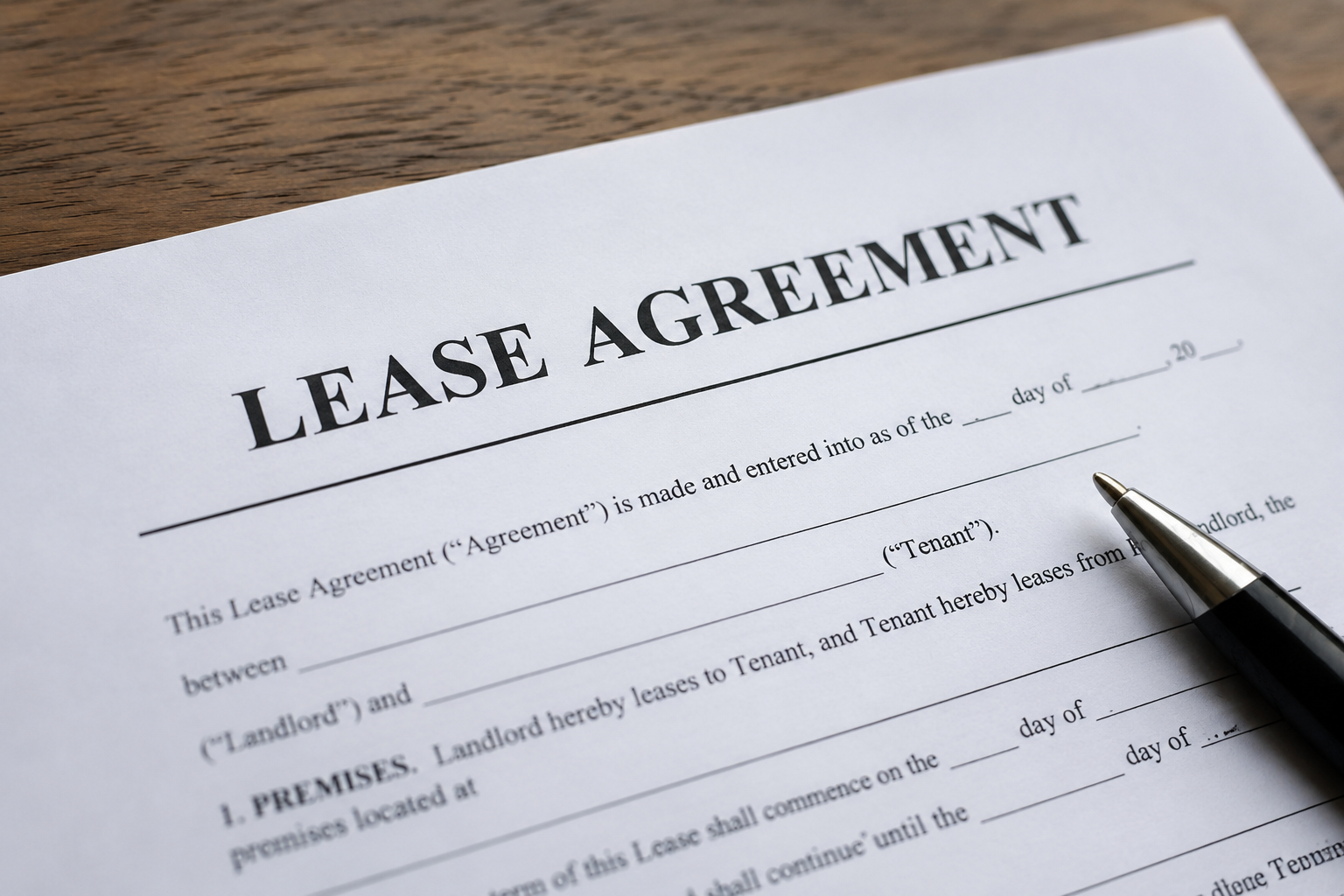
Maryland’s security deposit requirements generally limit deposits to one month’s rent; furnishing the home does not create an exception. Keep move-in and move-out records for the deposit accounting.
Explain maintenance, pest control, utilities, yard care, snow removal, and pet policies. Make each responsibility clear before the tenant signs.
Set Up Rent Collection and Financial Tracking
Online rent collection creates a documented payment history. Streamline uses AppFolio so tenants can pay rent, submit maintenance requests, and access lease documents in one place.
For self-management, choose a payment tool that records payments reliably. State the due date and lawful late-fee terms in the lease, then apply them consistently.
Track rental property expenses and income in a separate ledger. Keep receipts for repairs, maintenance, property taxes, insurance, and management costs. Separate repairs from improvements when preparing rental tax records.
Screen Tenants Thoroughly
Document lawful screening criteria in writing and apply them uniformly. Use the county’s required criminal and credit screening addendum. Verify income and relevant application information, review permitted screening reports, and contact prior landlords.

Ask references about rent payments, property condition, and lease compliance. Consider documented lawful income sources rather than assuming every applicant receives employment wages. Record findings without treating an unanswered reference request as proof of a problem.
Marketing and Showing
Use clear photos and an accurate description in rental listings. Include bedrooms, bathrooms, square footage, lease term, availability, parking, laundry, and transit access. Keep descriptions focused on the property, not a preferred renter type.
Respond to inquiries within 24 hours. Offer practical showing times and use a consistent inquiry process. Confirm the applicant’s move-in timing and explain how to apply.
Make the Final Decision
Compare applications against your written criteria and document decisions. When a consumer report influences a rejection, provide the required adverse-action notice, including the reporting company’s details and the applicant’s dispute and free-report rights.
Arrange the signed lease, agreed initial payments, and documented condition review before handing over keys. Give the tenant clear instructions for payments and maintenance requests.
Bottom Line
Preparing a Bethesda home for rent requires attention to compliance, pricing, property condition, and tenant selection. Streamline Property Management handles leasing, maintenance coordination, and tenant relations through a dedicated property manager. An organized setup gives owners a clear process for the tenancy ahead.
Want a trusted partner to help manage the eviction process and your rental property from start to finish?
Contact Us
Frequently Asked Questions About First Time Landlord Compliance and Renting
First-time owners also need a practical plan for rent collection, records, and move-out. These details help turn the initial checklist into an ongoing rental operation throughout the full lease term.
What Rental License Do I Need for a Bethesda Property?
A Bethesda rental generally needs Montgomery County’s rental facility license before advertising or occupancy. Gather ownership records, owner and agent contact information, and applicable lead-compliance documents before applying.
For an owner living outside Maryland, arrange the required Maryland Legal Agent early. Keep the issued license and supporting documents in one property file, and calendar renewal dates. Check that the application describes the actual rental arrangement, including whether you are renting the entire home or only part of it.
What Is the Difference Between Landlord Insurance and Homeowners Insurance?
Coverage should reflect how the home is used. Tell the insurer whether you will move out entirely or continue occupying part of the property, then review the appropriate policy or endorsement.
Compare replacement-cost terms, deductibles, and loss-of-rent limits, and coordinate the effective date with the change from personal occupancy to rental use. Landlord coverage can address the building, liability, and lost rental income after covered damage makes the property uninhabitable. That is different from ordinary tenant nonpayment.
How Do I Calculate the Right Rent for My Bethesda Property?
Build a comparison sheet with five to ten similar listings and record when you checked each one. Compare effective lease terms as well as advertised rent, particularly when another listing includes a concession.
Separate meaningful differences, such as parking or updated appliances, from features your property does not offer. Review the listing’s inquiry volume and showing feedback after launch. This gives you a basis for changing the price or presentation instead of waiting indefinitely at an unsupported figure.
What Should I Look for When Screening a Tenant?
Look for verifiable information that relates to your written rental criteria. Check that application details, income documentation, and references are consistent, and request clarification where records conflict.
Use the same questions and review process for each applicant. Prior landlord references can help confirm payment and lease history, but record what was actually verified rather than relying on assumptions. Keep application materials secure and preserve the reasons for your decision so the file shows how you applied the criteria.
What Are My Obligations for Security Deposit Return in Maryland?
For an ordinary end-of-tenancy move-out, Maryland requires the deposit and any interest due to be returned within 45 days, less lawful deductions. Deductions can cover unpaid rent or damage beyond ordinary wear.
Send the required written, itemized damage accounting and supporting documentation within the statutory deadline. Compare move-in and move-out records, retain repair receipts, and record when the accounting was mailed. Collect a forwarding address during move-out planning so deposit correspondence reaches the former tenant.
Want a trusted partner to help manage the eviction process and your rental property from start to finish?
Contact Us


